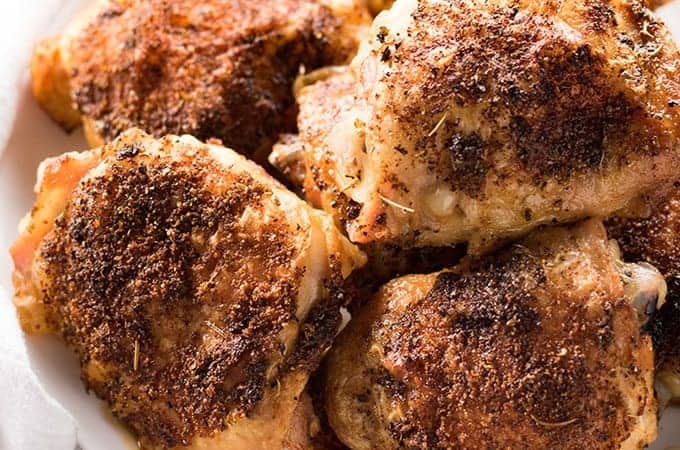
Unlock the secret to consistently delicious and easy crispy and juicy baked chicken thighs that will make your weeknight meals feel gourmet. Forget dry, uninspired chicken – with the right techniques, you can achieve succulent meat encased in irresistibly golden, crunchy skin every single time. This comprehensive guide will walk you through the power of high-heat baking and essential flavor strategies to transform humble chicken thighs into a family favorite. Economical, quick-cooking, and forgiving, baked chicken thighs are a true culinary superhero.
The Science Behind Perfectly Crispy Baked Chicken Thighs: High Heat & Internal Temperature
Achieving that coveted crispy skin and tender, juicy interior in your baked chicken thighs isn't just about luck; it's a science. The key lies in understanding the interaction of high heat and precise internal temperatures.
Mastering the Oven Temperature: Why High Heat Reigns Supreme
For truly crispy skin and efficiently cooked meat, high heat is your best friend. We recommend baking your chicken thighs at a blistering 425°F (220°C) with convection or 450°F (232°C) in a regular oven. This intense initial heat does several things:
- Instant Crisp: The high temperature immediately begins to render the fat in the chicken skin, causing it to crisp up rapidly.
- Efficient Cooking: It cooks the chicken relatively quickly, typically within 30 to 35 minutes, preventing the meat from drying out.
- Flavor Development: The direct, intense heat contributes to superior browning, which translates to deeper, more complex flavors.
While lower temperatures can certainly cook chicken thighs, they won't yield the same coveted crispiness or the ideal balance of textures. If you have a convection oven, utilize it! The circulating hot air enhances crisping and ensures more even cooking.
Beyond Safe: The Optimal Internal Temperature for Juicy Dark Meat
One of the most crucial, yet often misunderstood, aspects of cooking chicken thighs is the internal temperature. The USDA states that chicken is safe to eat at 165°F (74°C). However, for dark meat like chicken thighs, safe doesn't always mean best. Unlike lean white meat (chicken breast) which benefits from cooking just to 165°F, dark meat thrives at a higher temperature.
For secrets to tender baked chicken thighs, aim for an internal temperature of 185°F to 195°F (85°C to 90°C). Why this higher range?
- Melting Connective Tissues: Chicken thighs are rich in connective tissue. Cooking them to this higher temperature allows these tissues to break down and melt, resulting in incredibly tender, pull-apart meat that is supremely juicy and flavorful.
- Enhanced Flavor: The higher temperature further develops the rich, savory notes inherent in dark meat, making it far more enjoyable than chicken cooked only to 165°F.
A reliable instant-read thermometer is an indispensable tool here. Insert it into the thickest part of the thigh, avoiding the bone, to get an accurate reading. Don't be afraid to go a little higher; these resilient cuts can take it!
Flavor Foundation: Essential Prep & Seasoning Tips for Unforgettable Thighs
Crispy skin and juicy meat are only half the battle; incredible flavor is what truly elevates your baked chicken thighs. Here’s how to build a robust flavor foundation before your chicken even hits the oven.
The Power of Proper Preparation
- Pat Dry, Pat Dry, Pat Dry: This step cannot be overstated. Moisture is the enemy of crispy skin. Before seasoning, use paper towels to thoroughly pat down every surface of your chicken thighs, removing any condensation. The drier the skin, the crispier it will become.
- Room Temperature Start: While not strictly mandatory, allowing your chicken thighs to sit out for 15-30 minutes before baking helps them come closer to room temperature. This promotes more even cooking throughout the thigh, preventing the outside from overcooking before the inside is done.
- Bone-in, Skin-on Advantage: For the ultimate experience, opt for bone-in, skin-on chicken thighs. The bone adds depth of flavor and helps conduct heat, ensuring moistness. The skin, of course, is where all that glorious crispiness resides, and it also locks in moisture during cooking. While boneless, skinless thighs work in a pinch, they won't deliver the same textural richness or intensity of flavor. Plus, bone-in, skin-on thighs are typically more budget-friendly!
Crafting Your Signature Seasoning Blend
Simple seasoning is often the best for baked chicken thighs, allowing the natural flavor of the chicken to shine through while enhancing the crispy skin. A classic, versatile blend includes:
- Garlic Powder
- Onion Powder
- Smoked Paprika (for color and a subtle smoky depth)
- Dried Oregano
- Dried Thyme
- Salt (kosher or sea salt is excellent)
- Freshly Ground Black Pepper
Application is Key:
- Oil First: Drizzle your chicken thighs generously with a neutral oil (like avocado or olive oil). Use your hands to thoroughly coat every surface. The oil acts as a binder for the spices and helps conduct heat for browning.
- Season Generously: In a small bowl, mix your chosen herbs and spices. Sprinkle about two-thirds of this blend over the chicken, making sure to coat all sides.
- The Secret Spot: Under the Skin: For maximum flavor penetration, gently lift the skin of each thigh and rub some of the seasoning directly onto the meat underneath. This ensures every bite is bursting with flavor, not just the skin.
- Finish Strong: Place the chicken thighs on your baking rack and sprinkle the remaining spice mix over the top of the skin. Gently pat it down to ensure it adheres.
Optional Flavor Boosts: Marinades & Fresh Herbs
If you have extra time, a quick marinade can elevate your chicken even further. Even 30 minutes can make a difference, but a few hours (or even overnight) will yield the most profound results. Consider a marinade with ingredients like:
- Lemon juice or vinegar (for tenderizing and brightness)
- More olive oil
- Fresh garlic and ginger (minced)
- Soy sauce or Worcestershire sauce (for umami)
- Fresh rosemary or thyme sprigs
Don't be afraid to experiment! The beauty of baked chicken thighs is their versatility.
Step-by-Step for Flawless Crispy Baked Chicken Thighs
With your chicken prepped and seasoned, let's get it into the oven. Follow these simple steps for perfect results:
- Preheat Your Oven: Get your oven screaming hot to 425°F (220°C) convection or 450°F (232°C) regular. Ensure it's fully preheated before placing the chicken inside.
- Prepare Your Baking Setup: Place an oven-safe wire rack onto a sturdy baking sheet. This setup is crucial! It allows air to circulate completely around the chicken thighs, ensuring both the top and bottom skin get equally crispy. Line the baking sheet with foil for easier cleanup.
- Arrange the Chicken: Place the seasoned chicken thighs skin-side up on the wire rack, ensuring there's space between each piece for optimal airflow.
- Bake to Perfection: Transfer the baking sheet to your preheated oven. Bake for approximately 35 to 40 minutes. Begin checking the internal temperature around the 30-minute mark. Remember, you're aiming for 185°F to 195°F (85°C to 90°C) in the thickest part of the meat, away from the bone.
- Broiler for Extra Crisp (Optional): If your skin isn't quite as crispy or golden as you'd like at the end of baking, you can briefly place the pan under the broiler for 1-3 minutes. Keep a very close eye on it, as broilers can go from perfect to burnt in seconds!
- Rest Before Serving: Once cooked, remove the chicken from the oven and let it rest on the rack for at least 5-10 minutes. This allows the juices to redistribute throughout the meat, ensuring every bite is succulent and tender.
Troubleshooting & Advanced Tips for Your Best Baked Chicken Thighs
Common Questions & Solutions
- "My skin isn't crispy!"
- Did you pat the chicken dry enough? Moisture is the enemy.
- Is your oven temperature accurate? Consider an oven thermometer.
- Are you using a wire rack? It's essential for all-around crisping.
- Don't overcrowd the pan. Give each thigh breathing room.
- A quick broil at the end (watching carefully!) can fix this.
- "My chicken is dry!"
- Are you cooking to the correct internal temperature (185°F-195°F)? Undercooking dark meat can make it seem tough, while significantly overcooking beyond 195°F can dry it out.
- Did you let it rest? Resting is crucial for juicy meat.
- "The seasoning fell off."
- Ensure the chicken is oiled first, then seasoned.
- Gently pat the seasoning onto the skin to help it adhere.
Elevating Your Baked Chicken Thighs Experience
- Flavor Variations: Beyond the basic blend, experiment with different spice mixes. Think smoky chipotle, bright lemon-herb, or a spicy peri-peri rub.
- Vegetable Companions: Roast vegetables alongside your chicken. Potatoes, carrots, bell peppers, or broccoli florets tossed in a little oil and seasoning can share the baking sheet (on the bottom, beneath the rack or on a separate sheet) and cook beautifully with the chicken. Add them after the chicken has cooked for about 10-15 minutes, or on a separate lower rack.
- Meal Prep Powerhouse: Baked chicken thighs are fantastic for meal prep. Cook a larger batch at the beginning of the week and enjoy them in salads, sandwiches, or alongside grains and vegetables for easy lunches and dinners.
Conclusion: Your Journey to Crispy, Juicy Perfection
Mastering crispy, juicy baked chicken thighs is a culinary triumph that's surprisingly simple to achieve. By embracing the power of high heat, understanding the optimal internal temperature for dark meat, and implementing smart seasoning techniques, you can consistently create a dish that's both comforting and impressive. These economical, versatile, and flavorful chicken thighs are destined to become a staple in your kitchen, proving that delicious home cooking doesn't have to be complicated. So grab your thermometer, preheat that oven, and get ready to enjoy chicken thighs like never before!
